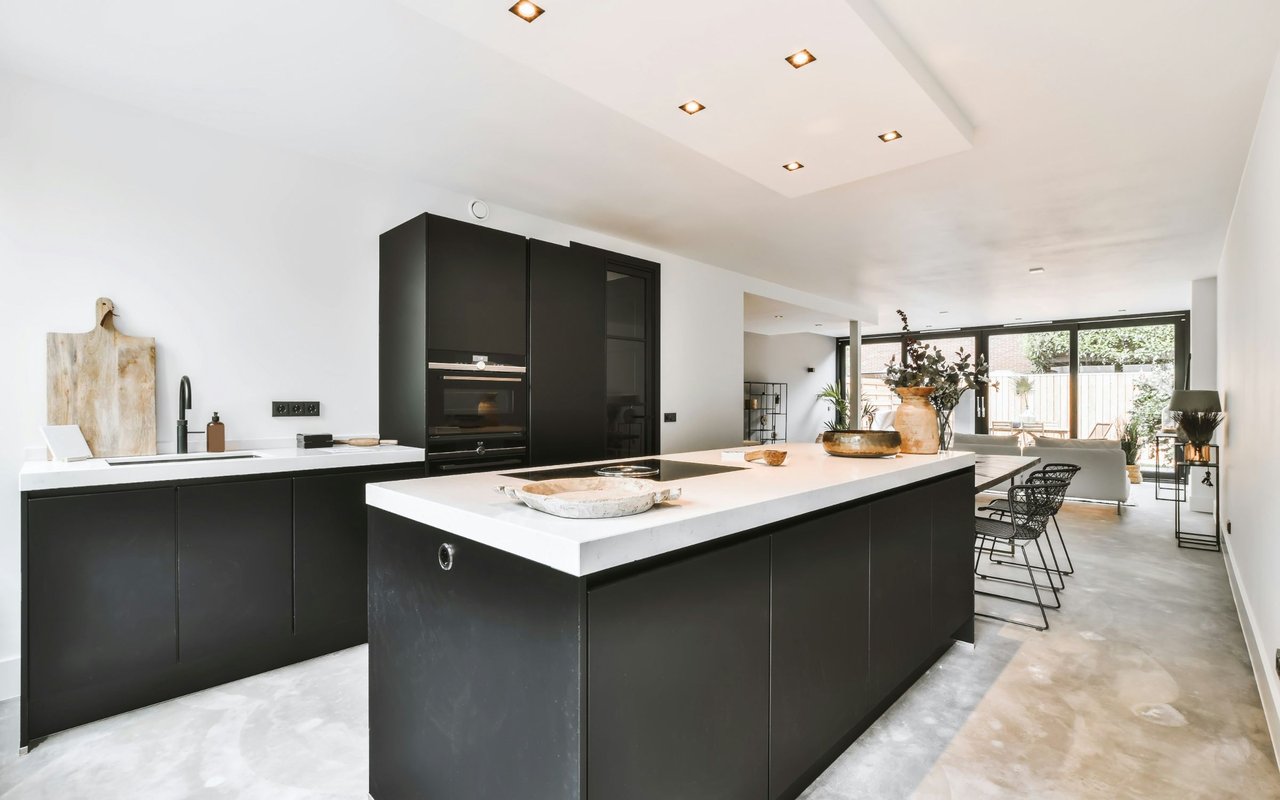
Strategies For Selling Higher-End Homes In Natick
June 25, 2026
June 25, 2026
If you are selling a higher-end home in Natick, you are not just putting a property on the market. You are competing for buyers who tend to do their homework, compare options closely, and weigh value with care. The good news is that demand is there, and with the right strategy, you can position your home to stand out. Let’s dive in.
Natick offers a strong audience for premium homes. The town’s 2024 population estimate was 37,316, median household income was $138,538, and 70.8% of adults age 25 and older held a bachelor’s degree or higher. On top of that, 94.0% of households had broadband, which points to a buyer pool that is informed, connected, and likely to evaluate listings carefully online before scheduling a showing.
That buyer pool is also shopping in a market shaped by Natick’s housing stock. About 61% of housing units are detached single-family homes, around 54% of housing was built before 1959, and only about 8% was built since 2000. That means a newer or fully renovated home may offer features buyers want, but it still has to prove its value against older homes that may have strong location appeal.
Current market conditions reinforce the need for a focused plan. Realtor.com reported a May 2026 median listing price of $983,000, 77 active listings, 17 median days on market, and a 100% sale-to-list price ratio, while Redfin reported a March 2026 median sale price of $915,000 and 23 median days on market. In plain terms, homes are moving, but buyers are rewarding realistic pricing more than wishful pricing.
For a higher-end home in Natick, pricing should start with recent closed comparable sales, not just a townwide median. Portal medians can help set context, but they do not capture the details that often drive value at the upper end. Lot size, setting, renovation quality, layout, and condition usually have a bigger effect on buyer response.
This is one of the biggest reasons some premium listings sit longer than expected. A home can be beautifully presented and still miss the mark if the price asks buyers to ignore nearby alternatives. In a market where sale prices are landing near asking rather than well above it, precision matters.
A smart pricing discussion should also include total ownership costs. Natick’s FY2026 tax rate is $12.17 per $1,000 of value, and the town’s FY2026 median single-family value was $838,600. That works out to about $10,200 in base annual property tax before the 1% Community Preservation Act surcharge, which means buyers are often looking at monthly cost as closely as purchase price.
At the higher end, buyers are often balancing budget, lifestyle, and long-term value all at once. Even well-qualified buyers may pause if the total cost of ownership feels out of step with competing homes. If your list price does not leave room for taxes and upkeep in a buyer’s mental math, showing activity can slow.
This is especially important for homes that are newer or recently rebuilt. Natick notes that if construction receives an occupancy permit and the increase in market value is more than 50%, the Assessor may issue a supplemental tax bill. That makes it important to understand and explain potential tax implications before your home hits the market.
One of the most useful steps before launch is confirming your property records early. Natick provides property assessment information online and offers an annual abatement process if a value is believed to be incorrect. For a premium listing, taking time to verify the assessor record can help avoid avoidable questions later.
This matters because upper-end buyers often dig deeper. They may ask about permit history, finished space, additions, rebuild timelines, or how a renovation affected value. If the paperwork is organized from the beginning, you can answer with confidence instead of scrambling during negotiation.
If your home is new construction or has been substantially renovated, your documentation becomes part of the marketing package. Natick’s permitting system and Development Review Team oversee construction, reconstruction, and zoning-related review, so approved work and organized records can help a home feel more turnkey. Buyers tend to view complete documentation as a sign of lower risk.
This does not mean you need to overwhelm buyers with paperwork on day one. It means having a clear property summary ready, with permits, updates, warranty details if available, and tax context that your agent can explain simply. In a selective market, clarity builds trust.
At the higher end in Natick, preparation should go beyond decluttering and fresh pillows. Because much of the town’s housing stock is older, buyers often pay close attention to systems, maintenance, and the quality of updates. A polished look helps, but it usually works best when paired with real functional readiness.
That is why pre-list inspections, repair punch lists, and documented system improvements can be so valuable. If buyers are comparing your home to another property with dated systems or deferred maintenance, strong preparation can help justify your price and reduce objections. Cosmetic presentation alone may not be enough.
For many premium buyers, the biggest questions are practical. Is the floor plan useful? Has the home been maintained well? Are the updates recent and clearly documented? Does the home feel move-in ready, or does it feel like a project hiding behind good photography?
In Natick, those questions carry extra weight because buyers often compare renovated homes against older properties with different strengths. A clean repair list, service records, and a thoughtful pre-market plan can help your home win that comparison.
If you are selling a newer home or a substantially renovated one, some of the most valuable features are not obvious in listing photos. Buyers may not fully grasp the benefit of updated systems, low-maintenance materials, energy-efficient components, finished lower levels, or flexible office and bonus space from images alone. Those details need to be spelled out clearly.
This matters in Natick because newer inventory is relatively limited. With only about 8% of housing built since 2000, homes with modern construction or major upgrades can stand apart. But that advantage works best when the marketing explains why the home is different.
A strong higher-end listing package should make the home easy to understand. In Natick, where 97.8% of households reported a computer and 94.0% had broadband, digital presentation plays a major role in first impressions. Buyers are likely to review details carefully before deciding whether to visit.
Helpful materials can include:
When these materials are easy to scan, buyers can connect the dots faster. That can lead to stronger interest and more productive showings.
The likely audience for a higher-end home in Natick is broader than many sellers expect. Census data show that 21.4% of residents are under 18 and 19.0% are 65 or older, while 87.9% of residents lived in the same house one year earlier. That points to a stable owner base that may include move-up buyers, downsizers, and long-term homeowners ready for a change.
Transit access expands the pool further. The Town of Natick says the community is served by the MBTA Framingham/Worcester Commuter Rail Line and MWRTA bus service, including a Route 1 connection along Route 9 between Natick Mall and the Woodland Green Line station. For sellers, that means your buyer may come from inside Natick, elsewhere in MetroWest, or from households looking for commuter convenience.
Most upper-end buyers in Natick are evaluating three things at once:
Your marketing should reflect those priorities clearly. Instead of relying on broad luxury language, it should explain how your home fits real buyer needs, from layout and updates to maintenance profile and day-to-day practicality.
Even a well-prepared listing needs a steady plan once showings begin. In a market where homes can move quickly but buyers remain selective, feedback should be reviewed closely. If buyers are raising the same concern about price, layout, or condition, that signal should not be ignored.
This is where disciplined pricing and preparation work together. The more clearly your home’s value is documented from the start, the easier it is to support your asking price during negotiation. And if an adjustment is needed, making it early is usually better than letting a listing grow stale.
Selling a higher-end home in Natick is rarely about one big move. It is usually the result of many smart decisions made in the right order, from pricing and documentation to repairs, staging guidance, digital presentation, and negotiation. In a market like this, details matter because buyers notice them.
That is why a local, hands-on approach can make such a difference. When your strategy is built around Natick’s actual housing stock, current buyer behavior, and town-specific records and tax considerations, your home is better positioned to attract serious interest and move with fewer surprises.
If you are thinking about selling and want a practical plan built around your home, your timeline, and the Natick market, schedule a free local market consultation with Kevin Walsh.
Stay up to date on the latest real estate trends.

Whether you’re purchasing your next home, selling a property, or investing in real estate, I offer full-service representation from start to close. With experience in luxury homes and real estate investing, I’m committed to delivering results you can trust.