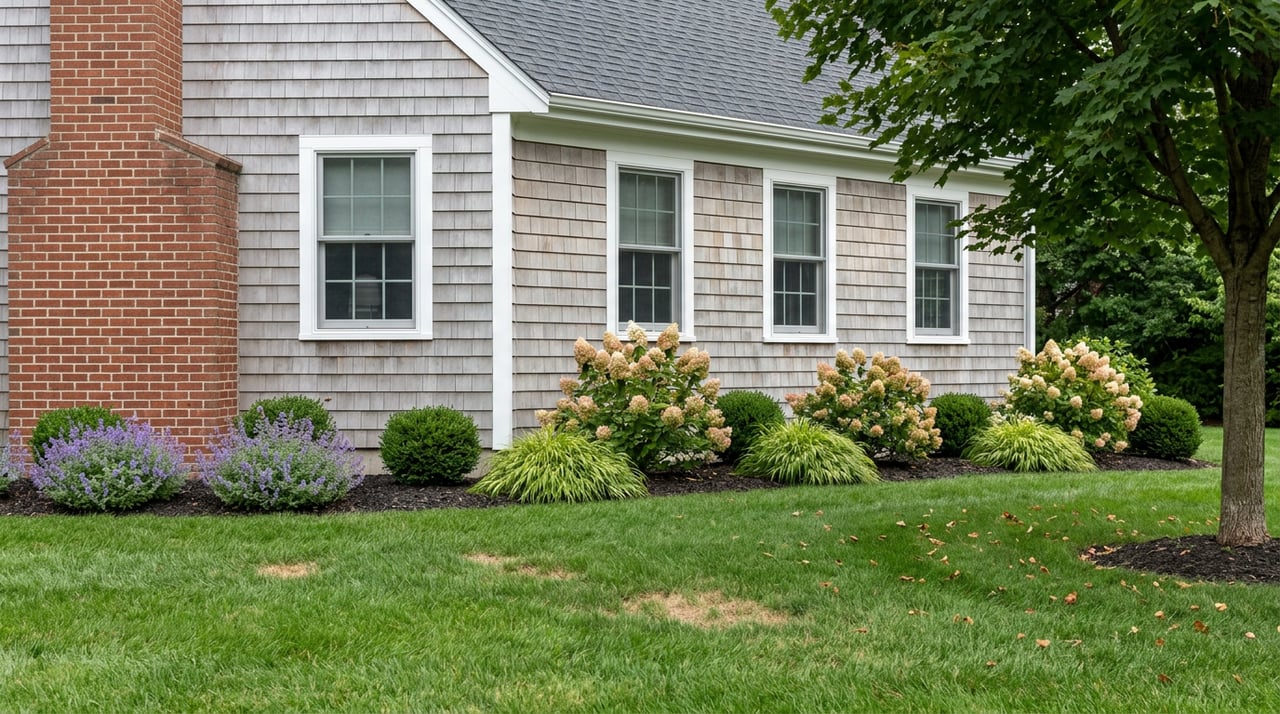
Selling a Medway Home on Septic? The Title 5 Move Most Sellers Get Backwards
August 6, 2026
August 6, 2026
You accepted an offer on a Tuesday. By Friday the inspector called with the words every Medway seller dreads: the distribution box has failed and the system won't pass Title 5 as written. Your buyer's agent floats an escrow holdback. Your closing attorney mentions the state tax credit. Somewhere in that three-way conversation, thousands of dollars quietly shift from one side of the table to the other, and most sellers don't realize which direction until the CD is signed.
Here is the argument this piece will make: in Medway's current market, the seller who fixes the system before closing and claims the credit personally almost always comes out ahead of the seller who hands the problem to the buyer through a holdback. That was not true five years ago. It is true now, and the reason has less to do with contractors than with a 2023 change to the Massachusetts tax code that Medway sellers routinely leave on the table.
Medway runs a limited municipal sewer network alongside its water system, but the town's infrastructure covers only a fraction of its 100-plus miles of roadway. The Medway Department of Public Works operates water and sewer as one of five divisions, and outside the sewered pockets most single-family lots dispose of wastewater through private septic systems governed by Title 5 rules that specify how these systems are installed, used, and maintained. If your Medway home is not on the sewer line, a Title 5 inspection is not optional before a sale. It is the transaction.
Sellers hear "pass or fail" and expect a binary. The inspector's report has a third option that changes everything.
| Verdict | What triggers it | What it means at closing |
|---|---|---|
| Pass | Tank, D-box, leach field all sound; setbacks met | Report is good for 2 years for sale purposes, or 3 years with documented annual pumping |
| Conditional Pass | Component needs repair, most often the distribution box | Repair completed, then Board of Health issues a Certificate of Compliance that will be accepted as a passing Title V at closing |
| Fail | Hydraulic failure, setback violation, cesspool showing signs of failure | System must be repaired or replaced; homeowner has up to two years, unless the Health Agent deems it a health hazard |
The conditional pass is where Medway sellers get tripped up. A repair or replacement of the distribution box is the most common condition that needs to be met. A D-box repair is often a one-day job in the four-figure range, but if you learn about it during the buyer's inspection window instead of before you list, you have already lost the negotiation.
Buried in the state's FY23 tax changes was an expansion that most homeowners still describe using the old numbers. The old numbers were 40% of costs, capped at $1,500 per year and $6,000 lifetime. The current numbers are different by an order of magnitude. Effective January 1, 2023, taxpayers required to repair or replace a failed cesspool or septic system pursuant to Title V are allowed a credit equal to 60% of the design and construction costs incurred, up to a maximum of $4,000 per tax year and $18,000 in total.
That credit sits on Schedule SC of your Massachusetts return, and it is available only to the owner who occupied the property as a primary residence when the work was done. That last clause is the whole game. If you sell a Medway home with a failed system and hand the buyer a holdback so they can complete the work after closing, you lose the credit. They probably lose it too, because the certificate of compliance will be issued to them for a property they may or may not occupy as a primary residence long enough for the four-year carryforward to matter. The credit evaporates into the space between two owners.
Complete the work before you close, hold title on the day the Board of Health issues the Certificate of Compliance, and the credit is yours. On a $22,000 system replacement in Medway, that is real money returned over the next four filing years, not a rounding error.
There are two situations where a holdback is the better play. First, if weather has already made the leach field unreachable and your closing date is fixed. If weather conditions prevent an inspection before a sale, Title 5 allows the inspection to be done up to 6 months afterwards, provided that the seller notifies the buyer in writing of the need to complete the inspection. Second, if your household income is high enough that the credit phases out and your buyer is a permanent resident who will actually benefit from it. In that narrow case, you can price the holdback conservatively and let them capture the tax benefit, potentially pricing the home a hair higher in exchange.
Everyone else should be running the numbers on doing the work before the listing goes live.
The market has shifted in a way that changes the septic conversation. In April 2026, median days on market in Medway ran roughly 37, compared with 19 in the same window a year earlier. Segment competitiveness has held in the most desirable pockets, with well-prepared homes still going pending in about 19 days and selling around 3% over ask, but the average listing now sits nearly twice as long as it did last spring.
Two years ago, in a market clearing in a week and a half, a buyer might have swallowed a conditional pass and moved on rather than lose the house. That is no longer the default. Longer marketing time gives buyers room to ask for holdback pads, to request re-inspection after repair, and to walk if the seller refuses. Every additional week your listing sits also increases the odds of a second buyer whose lender has stricter septic language than the first. Some lenders don't allow septic holdbacks, however, and finding that out three days before closing is a bad day for everyone.
The takeaway is that the friction the seller controls is time. Doing the site evaluation and inspection before the listing photos go up buys you the ability to price honestly and negotiate from information rather than surprise.
Does the buyer or the seller pay for the Title 5 inspection? By default the property owner arranges the inspection, but the buyer and seller may change the responsibility for arranging the inspection prior to title transfer, provided that this change is put in writing and the inspection still occurs within the specified timeframes. Sellers in Medway almost always order it, because they control the property and the timeline.
Can I sell the home "as-is" with a failed system? You can sell with a failed system, but you cannot close conventionally without a passing Title 5 or a written agreement that satisfies the state and the buyer's lender. The parties can agree to an escrow holdback to cover the cost of the septic repair plus a contingency reserve, and the work is undertaken after the closing. The credit consequences described above still apply.
What if I inspect, learn the system failed, and change my mind about selling? Under state code, an inspection performed becomes part of the record. The results must be submitted to the Board of Health within 30 days, and whether or not the homeowner decides to sell, a failed system typically must be upgraded within two years, absent an approved enforceable agreement.
How long is the Title 5 report good for? Inspections in connection with a property sale generally are good for 2 years. If a property is sold more than once in the 2-year period, the single inspection is valid for all property transfers. If a system is pumped annually and the pumping records are available, an inspection is valid for 3 years.
If you own a Medway home on septic and you are thinking about a sale in the next twelve months, the Title 5 conversation should start well before the pricing conversation. Walsh Fine Homes works through this timeline with sellers every season and can help you sequence inspection, disclosure, and tax planning so the credit stays where it belongs, which is with you. Schedule a free local market consultation and we will map the specific path for your street, your system, and your closing calendar.
Stay up to date on the latest real estate trends.





Whether you’re purchasing your next home, selling a property, or investing in real estate, I offer full-service representation from start to close. With experience in luxury homes and real estate investing, I’m committed to delivering results you can trust.